SEO & Visibility Basics• 10 min read
Restaurant SEO: Fill Tables Not Just Delivery Apps
Sam Porter
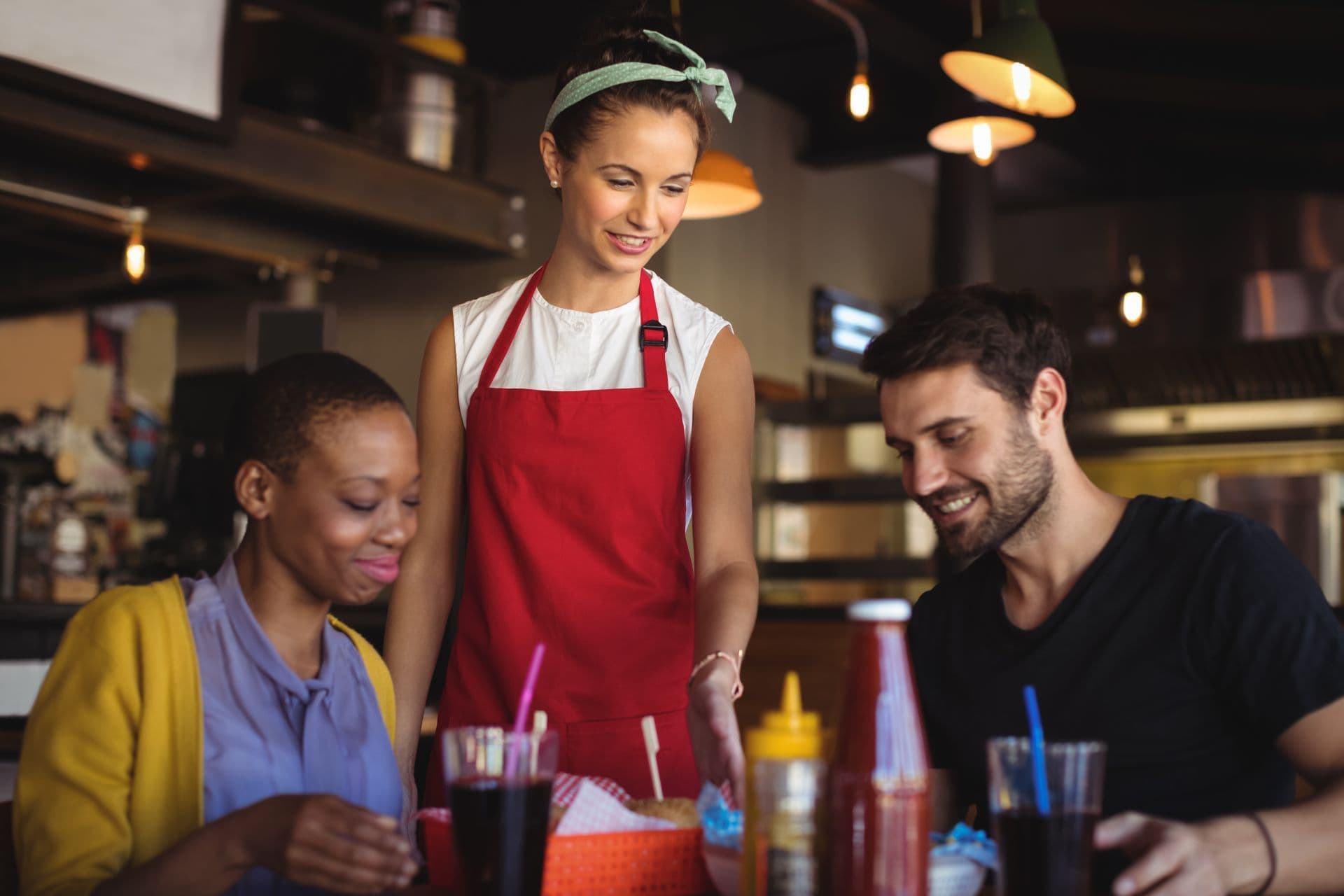
As a small restaurant owner, you're likely juggling everything from menu planning to managing staff, all while watching delivery app commissions chip away at your margins—sometimes up to 30%. The good news? With smart SEO, you can shift focus to filling seats in-house, where the average dine-in check is often 20-50% higher than delivery orders. This means targeting local searches that bring people through your doors, not just to your online menu. We'll walk through practical, budget-friendly steps tailored for independents in the US, UK, and CA, emphasizing outcomes like increased reservations and foot traffic. No need for a big marketing team; these tactics leverage free tools and AI to make your efforts efficient.
Why Prioritize Dine-In SEO Over Delivery Reliance
Delivery apps have boomed, but they come with drawbacks: high fees (15-30% per order) and less control over customer relationships. In contrast, SEO-driven dine-in traffic builds loyalty and higher spend per visit. For instance, 76% of consumers use search engines to find local restaurants, and optimized businesses see up to 2.7 times more views on maps. If your site ranks for "best burgers in [your city]," you're capturing intent from diners ready to visit, not just order takeout.
Start by auditing your current setup. Tools like RoboAd’s free website audit can reveal quick wins, such as fixing slow load times or missing mobile optimization—critical since 60% of restaurant searches happen on phones. From there, layer in local tactics to dominate "near me" results.
Claim and Optimize Your Google Business Profile
Your Google Business Profile (GBP) is often the first touchpoint for potential diners. It's free and can drive 70% of your local traffic if done right. Begin by claiming or verifying your profile on Google—search for your restaurant and follow the prompts.
Key optimizations:
- Complete every field: Add accurate hours, address, phone (NAP consistency is key to avoid ranking penalties), and high-quality photos of your interior, dishes, and happy customers. Profiles with photos get 42% more directions requests.
- Post regular updates: Share specials, events, or behind-the-scenes stories weekly. This signals freshness to Google's algorithm.
- Encourage reviews: Respond to all, good or bad, within 24 hours. Aim for 4+ stars; businesses with 100+ reviews rank higher.
- Use attributes: Highlight "outdoor seating," "family-friendly," or "vegan options" to match specific searches.
For UK and CA owners, integrate with Google Maps equivalents like Apple Maps or Yelp for broader reach. A small cafe in Seattle reported a 25% foot traffic increase after optimizing GBP with daily specials posts.
Build a Restaurant Website That Converts Searchers to Visitors
Your website is your digital storefront—make it inviting and SEO-friendly. Focus on user experience (UX) to reduce bounce rates, which Google penalizes.
- Mobile-first design: Ensure it's responsive; 88% of users won't return to a slow mobile site. Use simple navigation: Home, Menu, Reservations, About, Contact.
- Keyword integration: Research terms like "Italian restaurant [city]" using free tools from Google Keyword Planner. Place them naturally in titles, headers, and content.
- Menu optimization: Create a dedicated page with descriptions, prices, and images. Use schema markup (structured data) for menus to appear in rich snippets.
- Reservation integration: Embed tools like OpenTable or Resy for easy bookings— this can boost conversions by 20%.
If you're tech-light, How RoboWrite turns insights into content can help generate optimized pages from your audit data. One Toronto bistro saw reservations jump 35% after adding a blog with local event tie-ins.
Local SEO Tactics to Drive Foot Traffic
Local SEO ensures you show up when someone searches "restaurants near me." It's about relevance, proximity, and prominence.
- NAP consistency: List your name, address, phone identically across directories like Yelp, TripAdvisor, and Facebook. Inconsistencies can drop rankings by 10-20%.
- Build citations: Get listed on 50+ directories (e.g., Yellow Pages in CA, Yell in UK). Tools like Moz Local automate this for $99/year.
- Local link building: Partner with nearby businesses for shoutouts—guest posts on community blogs or sponsorships. A UK pub gained 15% more visitors through local chamber links.
- Geo-targeted content: Create pages for neighborhoods, e.g., "Best Brunch in Downtown Vancouver." Include maps and directions.
Track progress with Google Analytics; set up goals for reservation clicks or direction requests.
| Local SEO Checklist | Do | Don't |
|---|---|---|
| Google Business Profile | Claim and update weekly with photos and posts | Ignore negative reviews—always respond professionally |
| Citations | Build 50+ consistent listings across directories | Use outdated info; audit yearly |
| Keywords | Target "near me" and location-specific terms | Stuff keywords unnaturally; focus on readability |
| Reviews | Encourage via email follow-ups or table tents | Buy fake reviews—risks penalties |
| Links | Earn from local partners and events | Spam directories; quality over quantity |
Content Strategy: Tell Your Restaurant's Story
Content isn't just blogging—it's creating value that ranks and engages. For restaurants, this means blending storytelling with utility.
- Blog ideas: Post recipes, chef interviews, or "behind the dish" stories. A US diner boosted traffic 40% with seasonal recipe posts.
- Video integration: Embed short clips of kitchen action on YouTube; optimize titles with keywords.
- User-generated content: Share customer photos with permission, tagging locations.
- Evergreen vs. timely: Balance "top 10 date night spots" with event tie-ins like "Valentine's Menu Ideas."
Aim for 1-2 posts monthly; use AI tools to brainstorm, but edit for your voice.
AI & Chatbot Optimization: Make Your Content Easy to “Answer”
With voice search rising—50% of queries by assistants like Siri or Google—optimize for conversational SEO. This helps when diners ask, "What's the best pizza place open now?"
- Q&A format: Structure content with headers like "What are your gluten-free options?" followed by 2-5 sentence answers. This matches how AI pulls snippets.
- Chatbot integration: Add a site chatbot (e.g., via free tools like Tidio) for instant responses to "Do you have outdoor seating?" It can handle 70% of queries, freeing staff.
- Voice-friendly: Use natural language in content; long-tail keywords like "family restaurants with kids menu in Manchester."
- Schema for AI: Implement FAQPage structured data via Google's tool—boosts visibility in answer boxes.
- Speed matters: Keep pages under 3 seconds load time; compress images.
A small CA eatery integrated a chatbot and saw 18% more online reservations, as it guided users from questions to bookings seamlessly.
Analytics & Measurement: Track What Works
Data drives decisions. Set up free Google Analytics and Search Console to monitor traffic sources and top pages.
- Key metrics: Organic traffic, click-through rates, and conversions (e.g., form fills for reservations).
- A/B testing: Try different headlines or calls-to-action; tools like Google Optimize are free.
- ROI focus: If SEO efforts yield 100 new visitors monthly at $5 average spend, that's tangible revenue.
Review monthly; adjust based on what's filling tables.
Paid Ads as SEO Complement
While organic is king, pair with targeted ads on Google or Facebook to amplify reach.
- Local campaigns: Bid on keywords like "dinner specials near me" with location extensions.
- Budget tips: Start small ($100/month); track CPC (cost per click) to stay under $2-3 for restaurant terms.
- Retargeting: Show ads to site visitors who didn't book, reminding them of your specials.
A UK cafe combined SEO with ads, increasing dine-in by 22%.
Wrapping Up: Your Next Steps for Restaurant SEO Success
You've got the tools to shift from delivery dependency to a bustling dining room. Start small: claim your GBP, audit your site, and post fresh content. Consistency pays off—many see results in 3-6 months. Remember, SEO is about connecting with locals who want the full experience your restaurant offers.
Start with a free URL scan on RoboAd.ai to get personalized insights.
Related Topics
Try Our Website Analysis Tool
Get AI-powered insights and actionable recommendations to improve your website's SEO, performance, and user experience!
Analyze Your Website